“At Haus of ADB, we don’t just create beautiful interiors — we design for performance. That means more bookings, better guest reviews, deeper customer connection, and brand loyalty. Our spaces pay for themselves.”
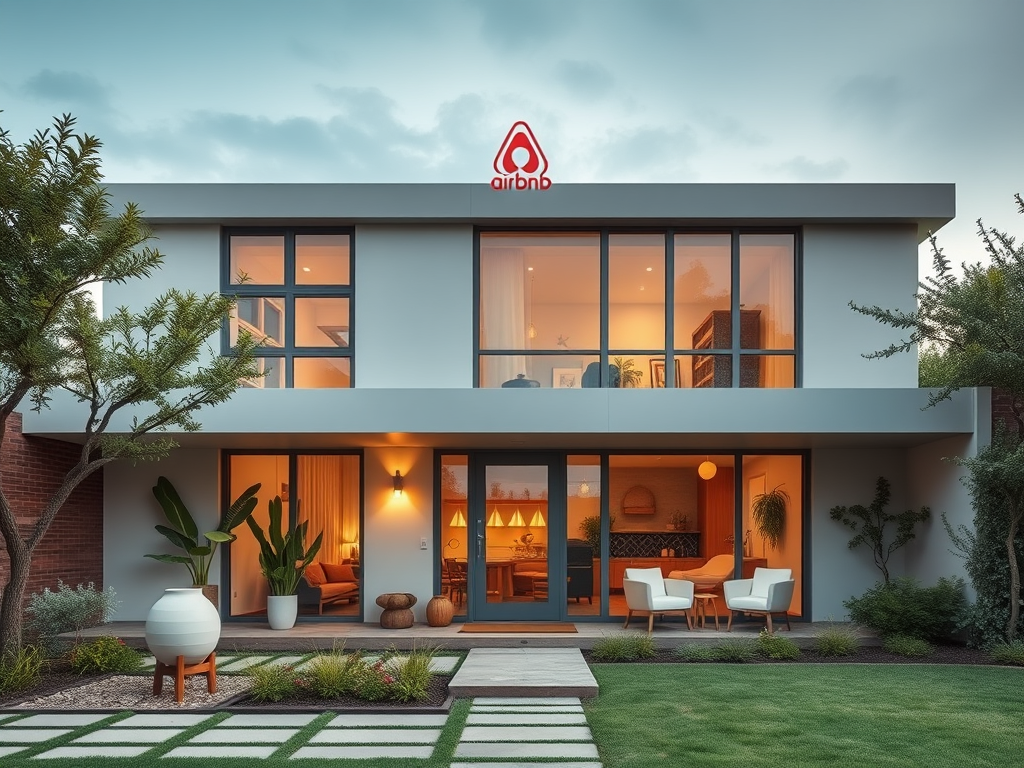
✈️🌿 Bringing Nature Back In: How to Incorporate Biophilic Design into Hotels and Airport Lounges
by Haus of ADB
In today’s overstimulated world, luxury isn’t just visual — it’s emotional. Travelers and guests increasingly crave spaces that restore them. That’s where biophilic design comes in: the art and science of reconnecting people to nature through their built environment. It’s not just a wellness trend — it’s a proven method for elevating mood, enhancing comfort, and increasing loyalty in hospitality.
Here’s how luxury hotels and airport lounges can integrate biophilic design — beautifully and intentionally.
🌱 1. Natural Materials, Elevated
Instead of overwhelming the space with greenery, luxury biophilic design begins with materiality. Think:
Oak, walnut, and ash wood tones for joinery and furniture Textured stone in neutral palettes for bar counters or spa bathrooms Linen and wool upholstery in lobbies and private lounges Matte, imperfect finishes that mimic organic surfaces
📌 In lounges, consider using stone-effect ceramic tiles for durability with a natural look.
🌿 2. Lighting Inspired by Nature’s Rhythms
Luxury travelers notice lighting — but they feel it even more. Use circadian lighting systems that mimic natural sunlight, shifting in warmth and intensity throughout the day.
Warm amber light in evening zones (lounges, spa rooms) Daylight-white LEDs in dining or workspaces Cove lighting that creates soft shadows and organic ambiance
📌 Airport lounges with no windows can benefit from “sky panels” or digital skylights.
🌾 3. Biophilic Zones Within High-Functioning Spaces
Biophilic design doesn’t mean you need plants on every surface. It means intentional connection points:
Green “pause” zones with indoor trees or vertical moss walls Acoustic panels made of recycled plant fiber Herb gardens or edible plants in F&B spaces Calm courtyards with water features or pebble gardens in hotels
📌 Create micro-moments of calm within busy check-in or gate-side zones.
🌊 4. Sensory Layers That Calm and Connect
True luxury appeals to the 5 senses, not just sight. Use sensory biophilic cues:
Sound: Low-volume birdsong or forest tones in spa corridors Scent: Signature scent with notes of cedar, lavender, or citrus Touch: Raw textures like woven rattan or carved stone Air: Air-purifying systems + fresh scent infusions
📌 Haus of ADB incorporates scent strategy into design plans to create memory and brand association.
🌺 5. Nature-Inspired Art and Forms
For areas where real plants or windows aren’t possible, turn to biophilic abstraction:
Curved architectural lines (vs. harsh angles) Artwork featuring botanical or landscape imagery Sculptures mimicking organic shapes (coral, waves, leaves) Ceiling features that resemble treetops, clouds, or dappled light
📌 In lounges, ceiling baffles in natural wave shapes add acoustics and beauty.
✨ The ROI of Biophilic Design
Studies show that biophilic spaces lead to:
Longer guest dwell times Higher spa and lounge service spend Stronger emotional recall of brands Improved sleep and reduced stress for travelers
In hospitality, design is not just aesthetics — it’s emotional infrastructure. When we design with nature in mind, we don’t just beautify — we restore.
🛋️ Ready to Design Wellness That Performs?
At Haus of ADB, we blend biophilic design with luxury and hospitality insight to craft spaces that soothe, surprise, and sell. Whether it’s a 5-star hotel or an airport lounge in transition, we create calm in transit — and beauty that performs.
 HAUS OF ADB